
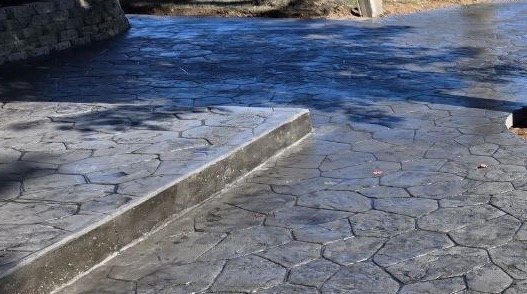
Outdoor patios, walkways, and entertaining spaces rely on surfaces that look good and stand up to years of weather and foot traffic. Stamped concrete and pavers are two of the most popular choices for creating decorative and functional outdoor areas.
Each has unique advantages in appearance, durability, maintenance, and cost. Understanding these differences helps property owners choose the option that fits their long-term goals and design style.
Stamped Concrete for Seamless Design and Versatility
Stamped concrete is created by pressing textured patterns into freshly poured concrete to mimic natural stone, brick, or wood. This approach allows for a seamless surface that blends shape, color, and texture in one continuous slab.
Stamped concrete stands out for its ability to:
- Create highly realistic stone or brick patterns
- Incorporate custom colors and textures
- Provide a cohesive, uninterrupted look
- Suit patios, walkways, and poolside areas
Because the surface is a single slab, stamped concrete often has fewer maintenance concerns related to settling or shifting. It also allows for creative design freedom at a lower cost than installing individual stones.
Pavers for Durability and Individualized Texture
Pavers consist of individual stones or bricks installed over a compacted base. They are known for their durability, ability to withstand temperature changes, and classic, timeless appearance.
Advantages of pavers include:
- Flexibility to adapt to minor ground movement
- Easy replacement of individual stones if damage occurs
- A broad selection of shapes, colors, and patterns
- Excellent traction and surface drainage
Pavers offer a more traditional look and work especially well in walkways, driveways, and garden paths. Their modular nature creates a distinctive, handcrafted appearance.
Durability and Performance in Different Conditions
Both stamped concrete and pavers offer strong durability, but the environment plays a major role in performance.
Stamped concrete is durable and long lasting when properly sealed. However, it can be sensitive to freeze thaw cycles if water penetrates the surface. Regular sealing helps protect against moisture damage and surface wear.
Pavers excel in areas with significant ground movement or temperature fluctuations. Because each paver is individual, the surface can shift slightly without cracking. This makes pavers a resilient choice for regions with harsh winter conditions.
Maintenance Requirements Over Time
Maintenance needs vary between the two materials.
Stamped concrete requires periodic resealing to protect color, prevent fading, and reduce surface wear. Small cracks can be repaired, but full slab replacements are more complex.
Pavers may need occasional leveling if the base shifts over time. Weed growth between joints can occur without proper installation or edging. However, replacing a damaged stone is simple and inexpensive.
Both materials benefit from regular cleaning to keep the surface free of dirt and debris.
Appearance and Design Style
Stamped concrete provides a wide range of design possibilities with patterns that replicate slate, flagstone, brick, or even wood grain. The continuous surface offers a clean, modern look that pairs well with contemporary homes.
Pavers create a textured, classic appearance. The individual stones add depth and detail, with pattern options ranging from herringbone to basket weave. Their visual character works well for traditional or natural style landscapes.
Stamped concrete and pavers are both excellent choices for outdoor spaces, but the right option depends on your goals for appearance, maintenance, durability, and style. Stamped concrete delivers seamless design and customization, while pavers offer flexibility and easy long-term repair.
Understanding the strengths of each material helps create a patio, walkway, or driveway that performs well and complements the surrounding landscape for years to come. For help choosing the right surface for your outdoor project, contact Quality Construction today to explore design options tailored to your space.
