
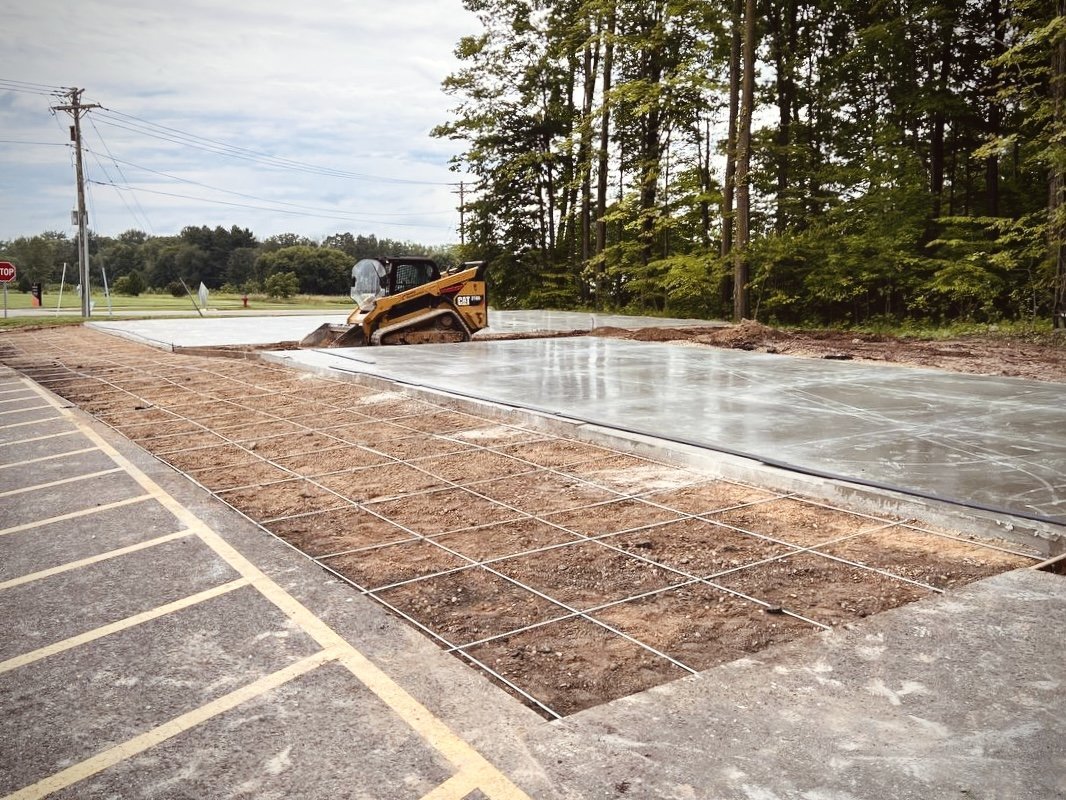
Concrete is one of the strongest and most reliable building materials, but its long-term durability depends heavily on how it cures. Weather conditions such as temperature, humidity, wind, and sunlight all affect the curing process. When conditions are not ideal, concrete can weaken, crack, or develop surface defects that reduce its lifespan.
Understanding how weather impacts curing helps property owners choose the right timing for installation and ensure their concrete surfaces remain strong for years.
Why Proper Curing Matters
Curing is the controlled process of allowing concrete to harden and reach its full strength. During this time, moisture within the concrete interacts with cement to form a dense, durable structure.
If curing happens too quickly or too slowly, the surface can become compromised. Proper curing helps prevent:
- Cracking
- Scaling and flaking
- Weak surface strength
- Premature wear and deterioration
Weather plays a major role in how well the curing process develops.
How Hot Weather Affects Curing
High temperatures can cause concrete to lose moisture too quickly. When the surface dries before the internal structure has time to develop, the result can be shrinking, cracking, or weakened durability.
Key challenges in hot weather include:
- Rapid evaporation
- Reduced internal moisture
- Surface crusting
- Higher risk of early cracking
To counteract these effects, installers often use shades, water misting, or curing compounds to slow evaporation and protect the concrete as it sets.
How Cold Weather Impacts the Process
Cold temperatures slow the chemical reactions that allow concrete to harden. If temperatures drop too low, the water inside the concrete can freeze, causing expansion and weakening the developing structure.
Cold weather risks include:
- Slowed curing time
- Freezing of internal moisture
- Surface scaling
- Reduced early strength
Proper planning helps prevent these issues. Concrete should not be poured directly on frozen ground, and thermal blankets or heated enclosures may be used to maintain ideal curing temperatures.
The Role of Humidity and Wind
Humidity and wind also affect how concrete cures.
- High humidity can slow drying but helps prevent cracking.
- Low humidity can pull moisture from the surface too quickly.
- Wind increases evaporation and may lead to early surface drying.
Maintaining balanced conditions ensures a strong, well bonded surface. Protective measures such as windbreaks or temporary coverings help control moisture loss during the early stages of curing.
Ideal Weather Conditions for Concrete Installation
The best environment for concrete curing includes:
- Moderate temperatures between 50 and 70 degrees Fahrenheit
- Light or no wind
- Balanced humidity
- No heavy rain or direct scorching sunlight
While ideal conditions are not always possible, proper techniques allow concrete to gain strength even in challenging weather when managed correctly.
Temperature and weather have a direct impact on how concrete cures and how well it performs over time. Warm conditions can cause rapid drying and cracking, while cold weather slows the curing process and increases the risk of damage.
With proper planning and protection, concrete can be installed successfully in a wide range of conditions. Understanding how weather affects curing ensures that driveways, patios, and walkways develop the strength they need for long lasting performance.
