
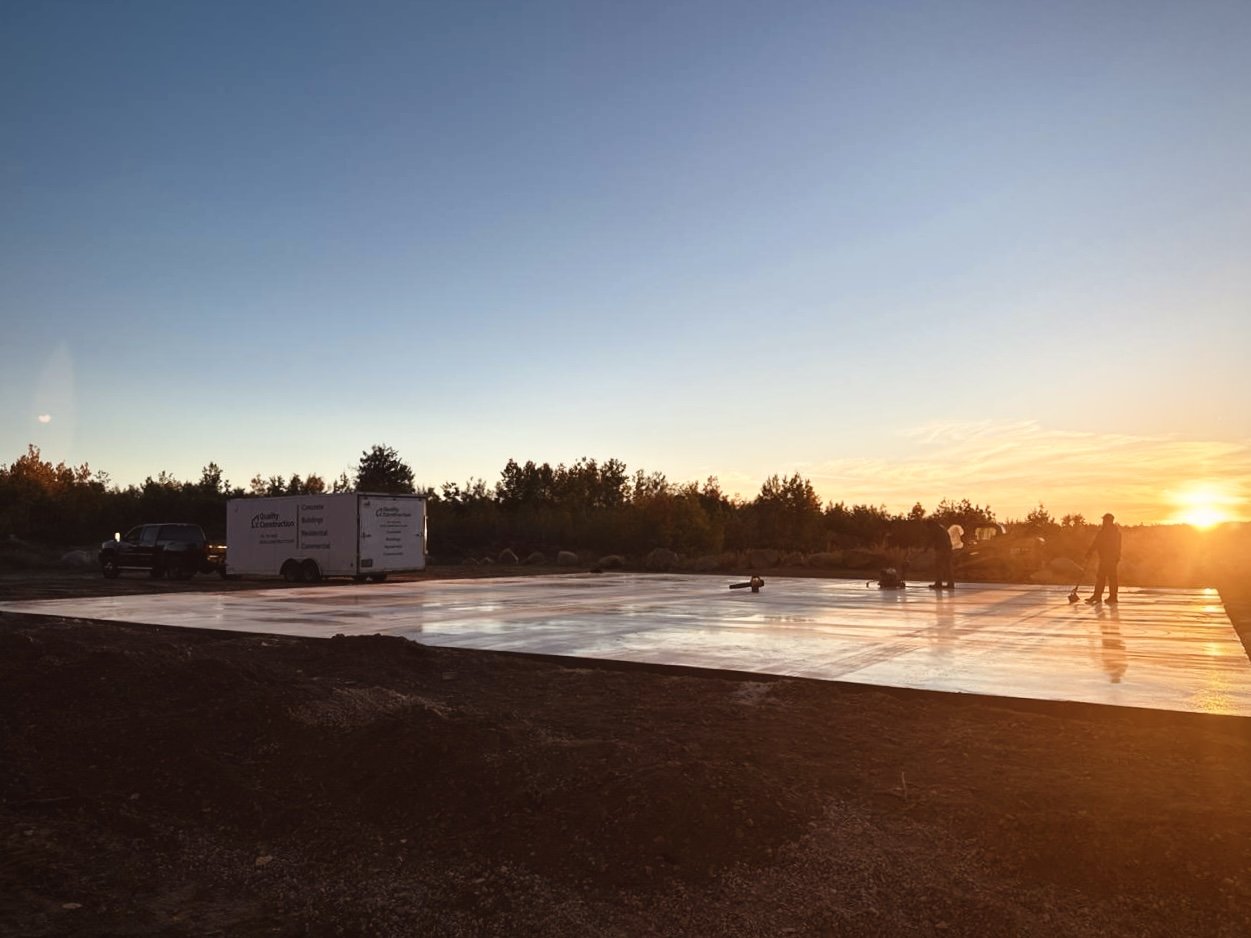
Concrete flatwork has evolved far beyond simple gray slabs. In 2026, design and technology are reshaping how patios, driveways, sidewalks, and commercial surfaces are built. Property owners now want concrete that not only performs well but also complements their space with style and sustainability.
Modern concrete mixes, decorative finishes, and reinforcement methods are leading the way in creating surfaces that last longer, look better, and require less maintenance than ever before.
Advanced Mix Designs for Durability
Concrete mix design is becoming increasingly sophisticated. The use of chemical admixtures, fiber reinforcement, and air-entrainment techniques has greatly improved strength and longevity.
In climates like Wisconsin, where freeze-thaw cycles are frequent, these advancements reduce cracking and surface deterioration. Self-healing concrete technology is also gaining traction, using mineral reactions within the mix to automatically repair microcracks before they spread.
These innovations ensure that new concrete surfaces remain durable even under heavy use and changing weather conditions.
Decorative Finishes Gaining Popularity
Homeowners and business owners alike are seeking ways to make functional spaces visually appealing. Decorative concrete finishes are becoming a major trend, with options like stamped patterns, exposed aggregate, and integral color blends adding depth and character to driveways, patios, and entryways.
Stamped concrete can mimic natural stone or brick while maintaining the strength and affordability of poured concrete. Exposed aggregate remains popular for its slip resistance and decorative texture, while smooth, polished surfaces are being used more often in commercial settings for a modern, clean look.
These finishing options give property owners the ability to personalize their concrete flatwork without sacrificing durability.
Sustainable and Low-Maintenance Solutions
Sustainability continues to drive material innovation in concrete flatwork. Permeable concrete, which allows water to pass through rather than run off, is being used more frequently to reduce strain on stormwater systems.
Fly ash and slag are replacing portions of traditional cement in many modern mixes, cutting down on environmental impact while maintaining structural strength. These changes not only support eco-friendly building goals but also help reduce long-term maintenance.
When combined with proper sealing and routine care, sustainable concrete designs offer an excellent balance of performance and environmental responsibility.
Looking Ahead: Function Meets Design
The future of concrete flatwork is all about combining practicality with design. Property owners no longer view concrete as a basic surface but as a key feature that enhances both appearance and value.
Whether it is a polished commercial floor or a decorative residential driveway, the innovations shaping 2026 prove that concrete can be both strong and stylish.
Concrete flatwork continues to advance in strength, sustainability, and design versatility. From improved mix formulations to decorative finishes and eco-friendly materials, these trends are redefining how outdoor and commercial surfaces are built and maintained.